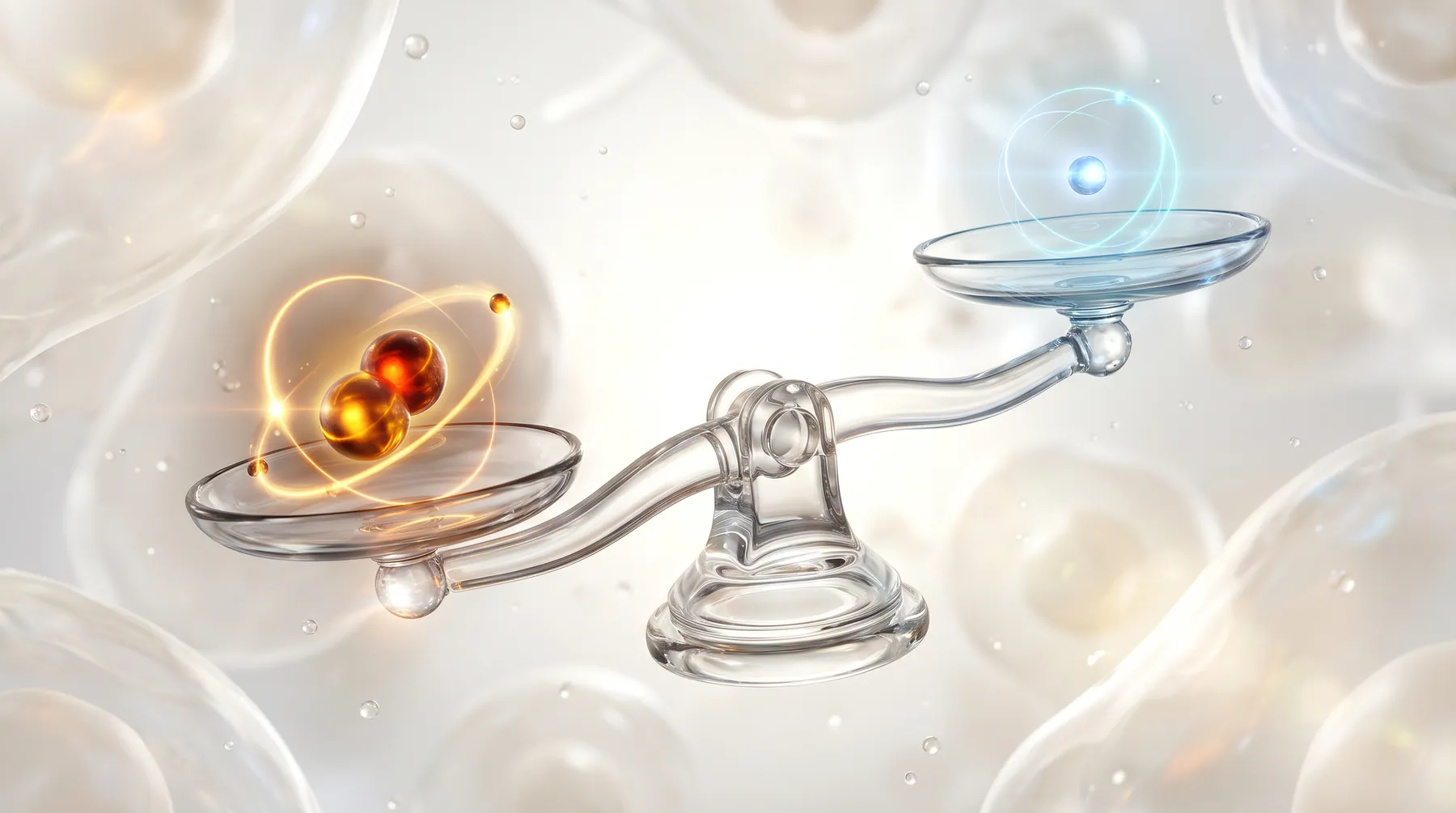
Every glass of water you have ever drunk contains two kinds of hydrogen. Almost all of it is protium, the lightest atom there is. A small share is deuterium, a heavier twin with a neutron packed into its core. Deuterium-depleted water (DDW) is simply water with less of that heavy twin.
Heavy hydrogen, in plain words
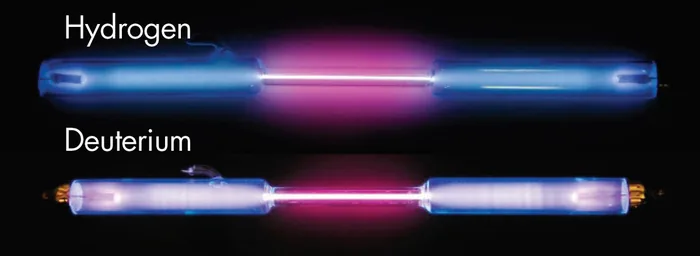
A hydrogen atom is one proton and one electron. Deuterium adds a neutron, which doubles its mass without changing how it looks to chemistry at first glance. It still bonds to oxygen and still makes water. But the bonds it forms are a little stronger and a little slower to break, and that small difference is what scientists call the kinetic isotope effect.
How much is in ordinary water?
Scientists measure deuterium against a reference called Vienna Standard Mean Ocean Water, which holds 155.76 parts per million. Water on land varies around that figure. Rain that falls far from the equator, high mountain snow and glacier melt tend to run lower; tropical and coastal water tends to run higher. Tap and bottled water in most places sits somewhere between 130 and 150 PPM.
Deuterium-depleted water is not a different substance. It is ordinary water with fewer heavy hydrogen atoms in it.
How deuterium is taken out
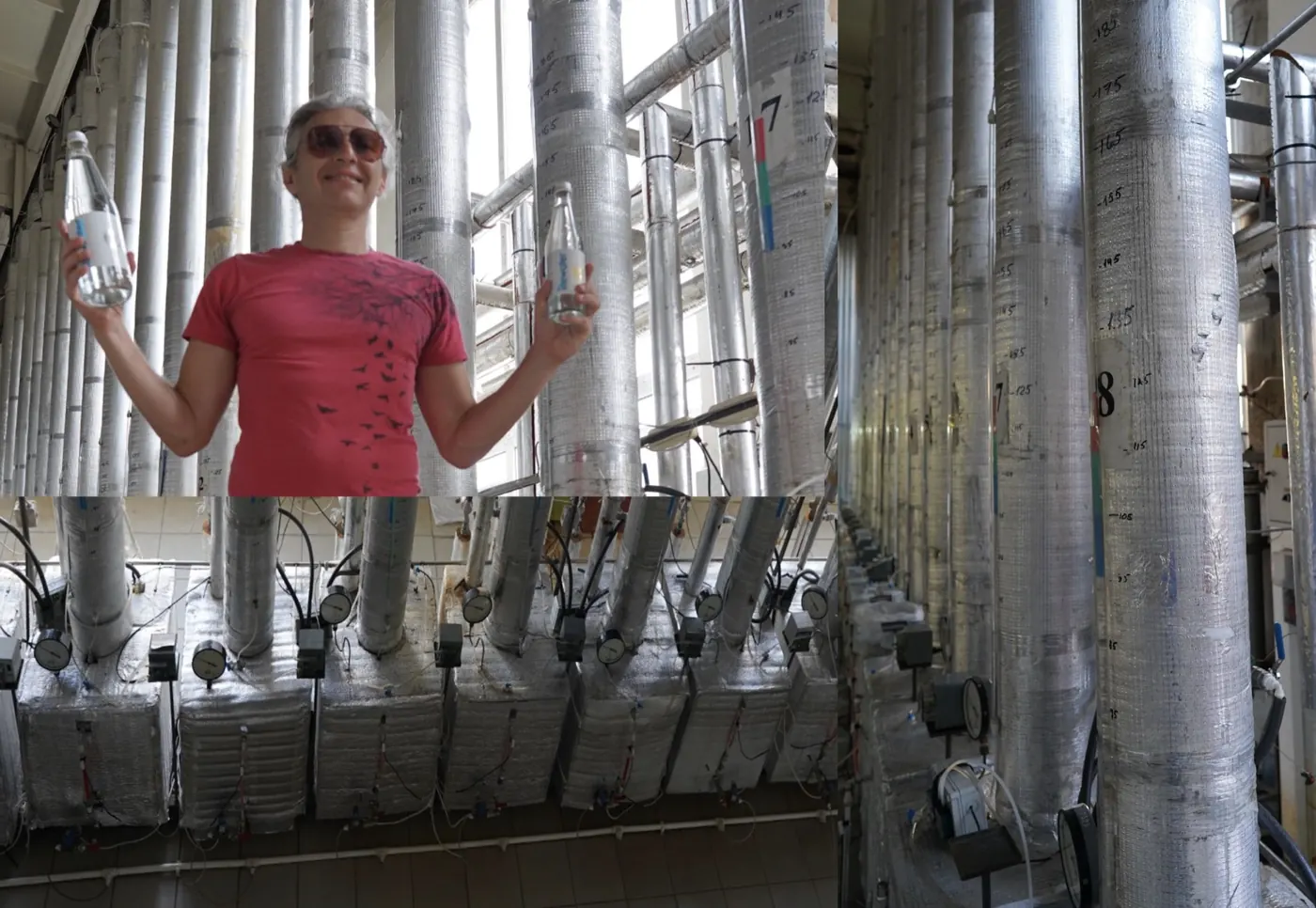
No filter can do it. Deuterium is part of the water molecule itself, so carbon, reverse osmosis and distillers at home all leave it where it is. Water carrying deuterium boils at a fraction of a degree higher than light water, and industrial plants use that tiny gap: the water is evaporated and condensed thousands of times over in tall rectification columns, and the lighter fraction is drawn off at the top. It is slow and energy hungry, which is why depleted water costs more than ordinary water.
Why researchers are interested
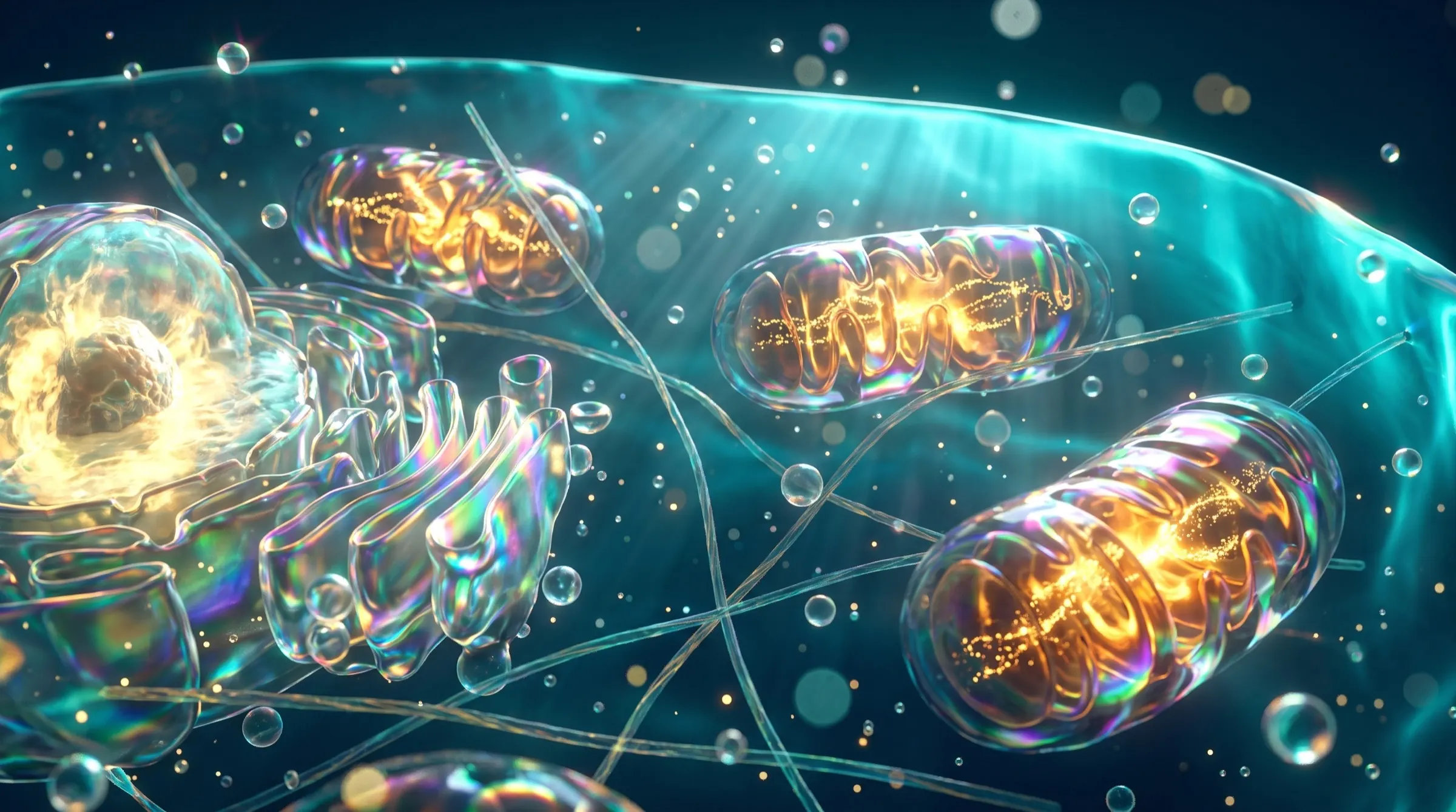
Since the first heavy-water experiments in the 1930s, scientists have noticed that living things respond to how much deuterium is around them. Much of today's research looks at the mitochondria, where an enzyme called ATP synthase turns like a motor to make the cell's energy, and at whether heavy hydrogen may slow that motor down. The work is still young, and researchers are careful to frame it as a question rather than an answer. If you want to read the studies themselves, our History of Deuterium walks through them, and Deupletion.ai will find the sources for any question you ask.
Where Litewater fits
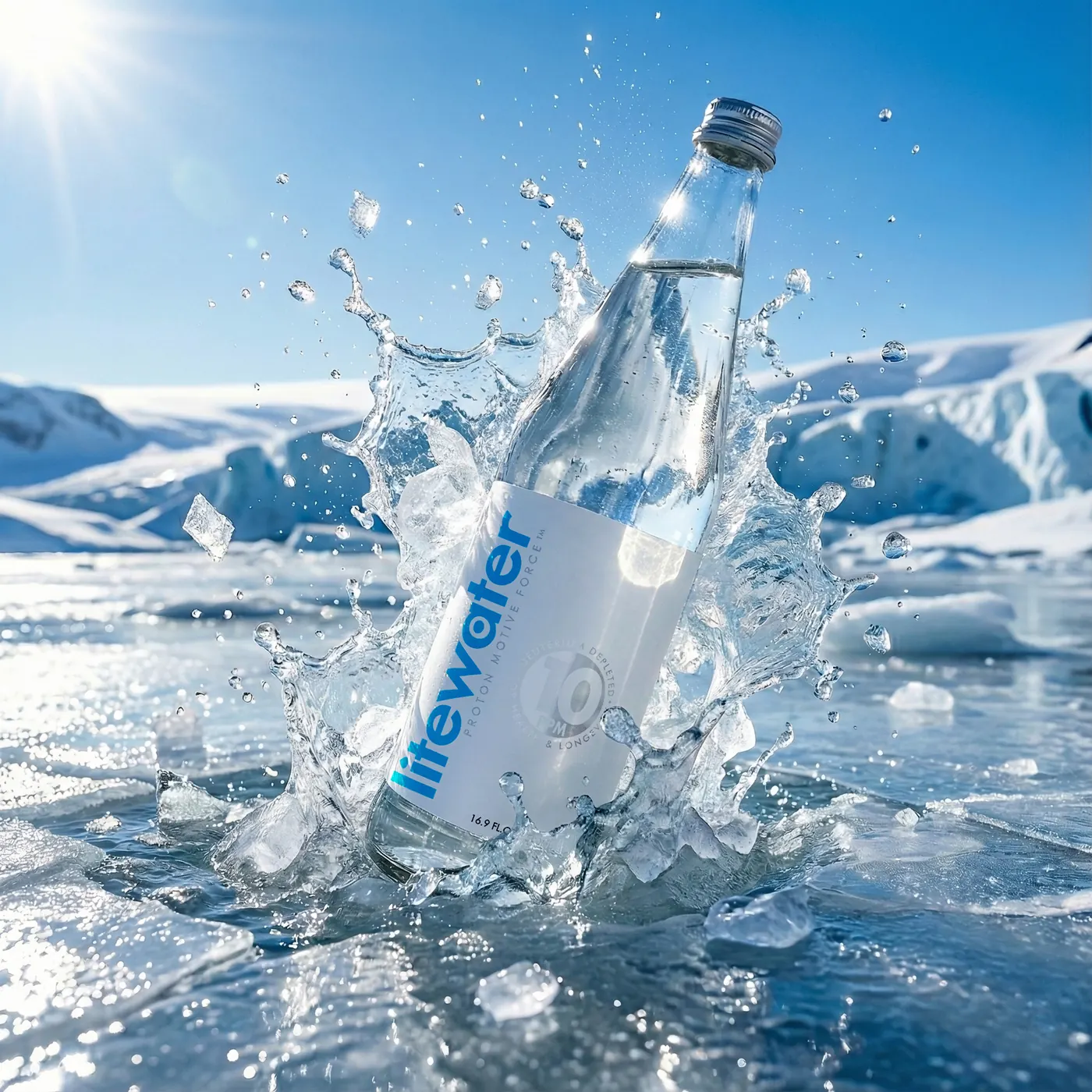
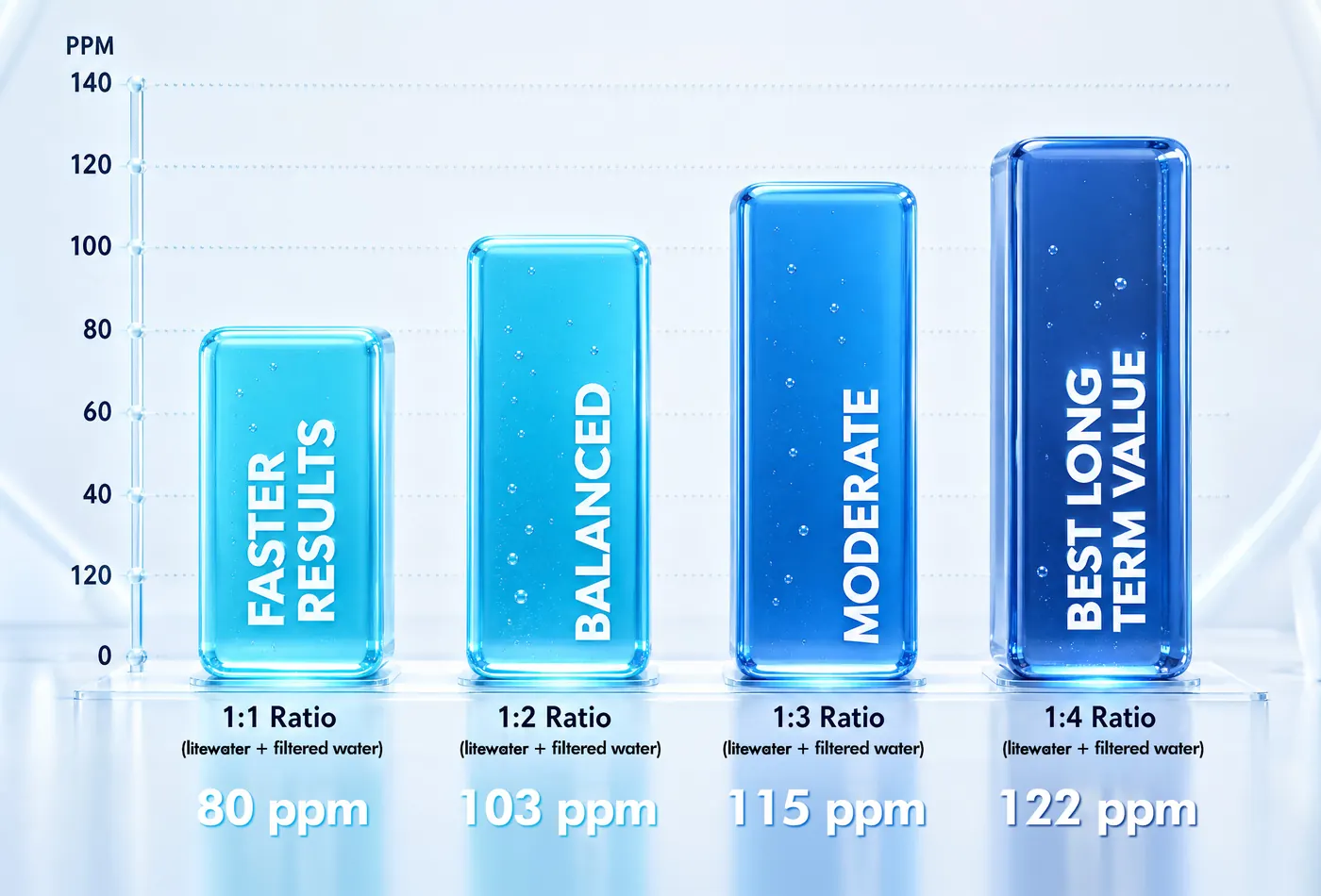
Litewater is deuterium-depleted water made at 10 PPM and 5 PPM, about 94 to 97 percent below the ocean standard, and tested by an independent isotope lab. You can drink it as it is, or mix it with your usual water to land on any level in between; the dilution calculator works out the ratio for you.
This piece is on its way. In the meantime, read the original on our blog or ask Deupletion.ai.
This article is for general education. It is not medical advice, and Litewater is not intended to diagnose, treat, cure or prevent any disease. Talk to your doctor about your own health.
 Ask a question